Cooperativa de Cafés Especiales de Nariño


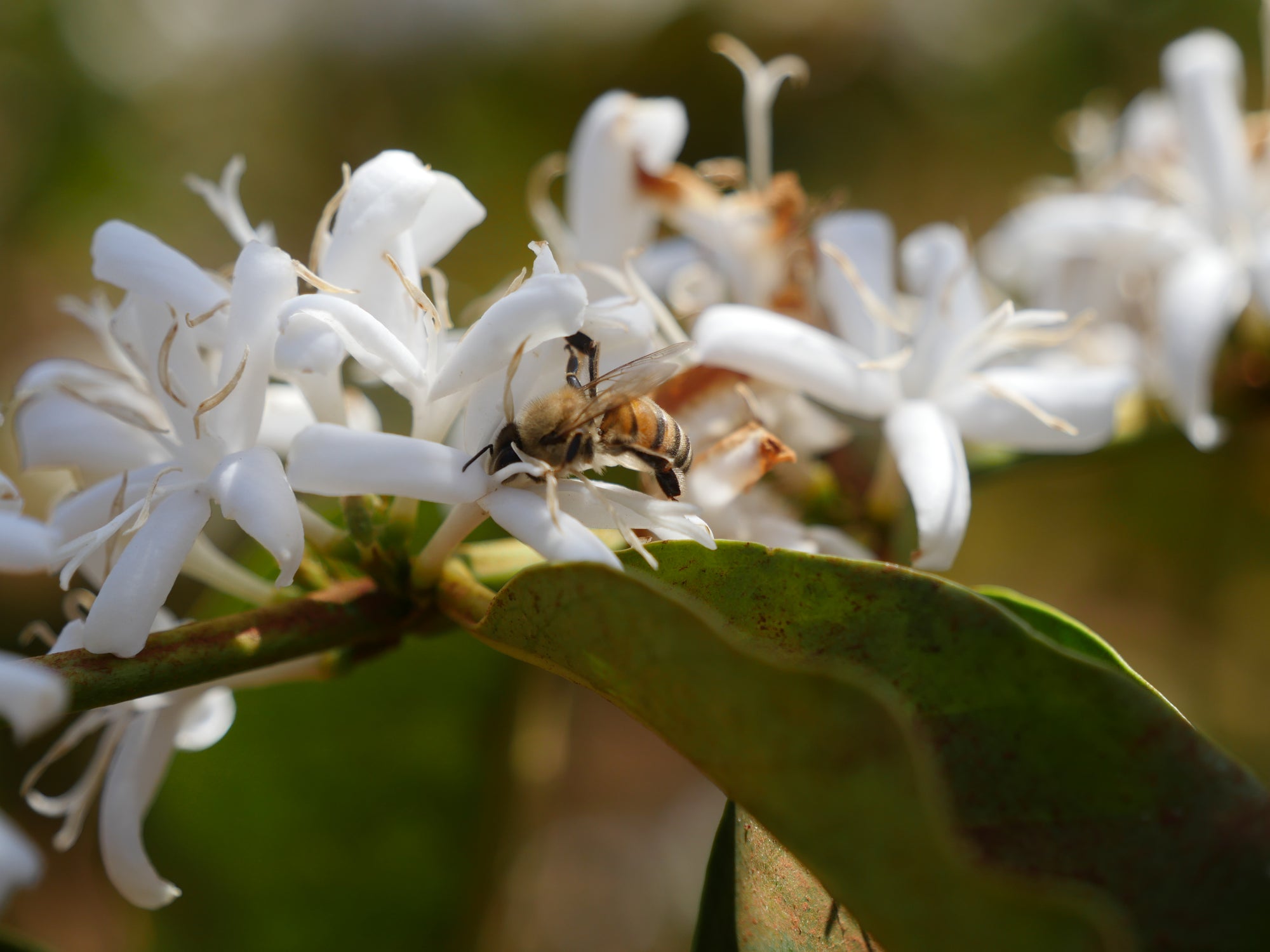
On the volcanic slopes surrounding Galeras Volcano in Nariño, hundreds of smallholder families cultivate coffee on steep parcels of rich, mineral soil—typically between 1,600 and 1,900 meters above sea level. These are modest farms, often a few hectares each, planted with classic Colombian varieties such as Caturra, Castillo, and Colombia. Ripe cherries are handpicked, depulped and washed at farm level, then dried on patios and raised beds where sun, wind, and careful attention shape the lot’s natural sweetness and clarity.

At the center of this landscape is the Cooperativa de Cafés Especiales de Nariño, which serves as both quality hub and community partner. The cooperative supports members with training in selective picking, fermentation control, shade and soil management, and post-harvest drying. Small day lots are screened and cupped at collection points, then curated into the “Galeras” regional selection—a blend designed to represent the area’s clean, structured profile while securing quality premiums that flow back to farm families. The focus is practical and long-term: better agronomy, better prices, and a viable future for coffee in the high Andes.

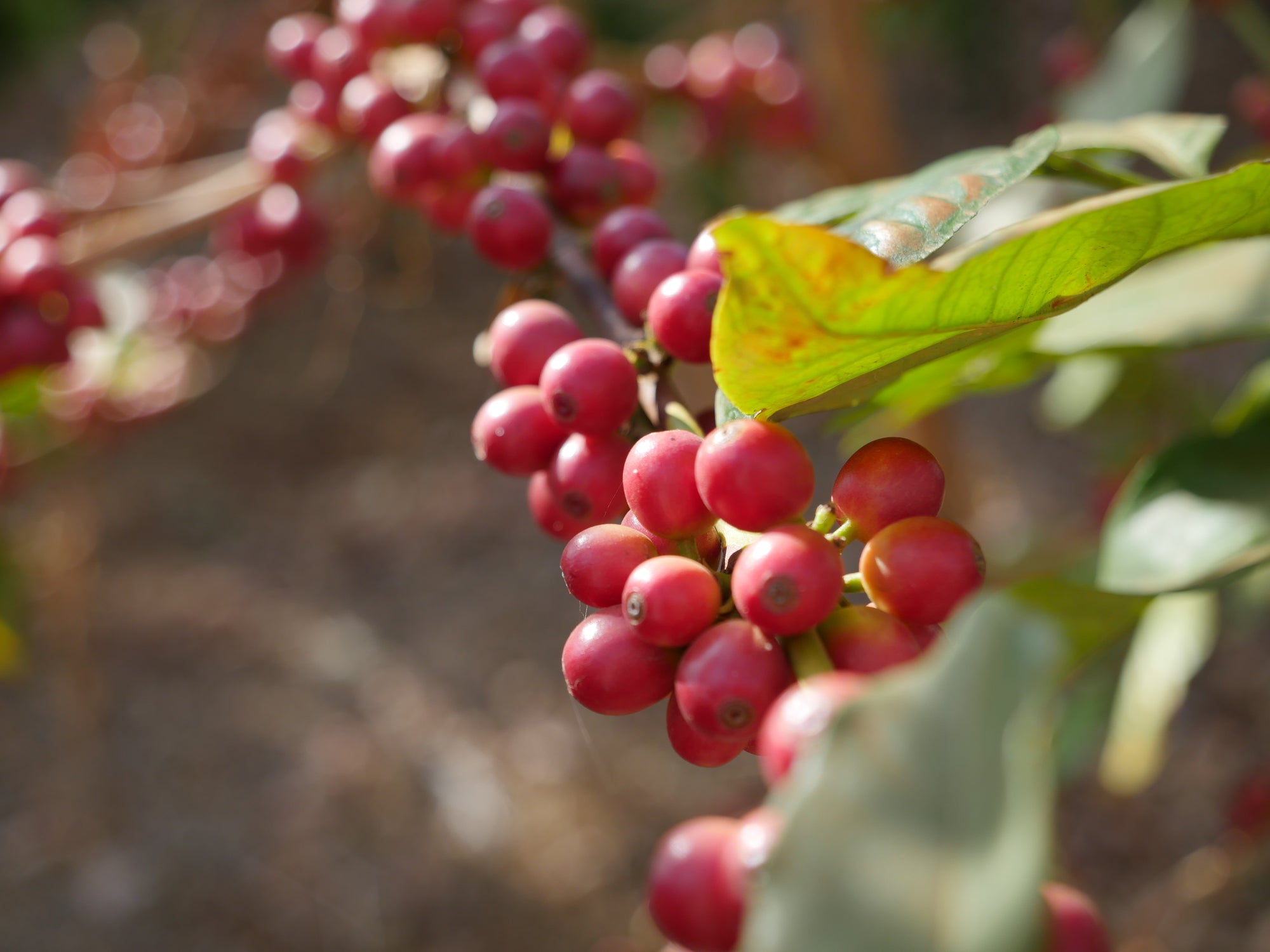
Decaffeination is completed in Colombia using the EA (sugarcane) process—a gentle, selective method that preserves aroma and sweetness. Ethyl acetate derived from local sugarcane is used to bond with caffeine in a water bath; low heat and careful rinsing remove the caffeine and reagent, leaving the coffee’s character intact. Keeping this step domestic retains more value in the origin country and ensures traceability from farm to finished decaf.
| Description |
| Price |
| Brand |
| Type |
| Product variants |